
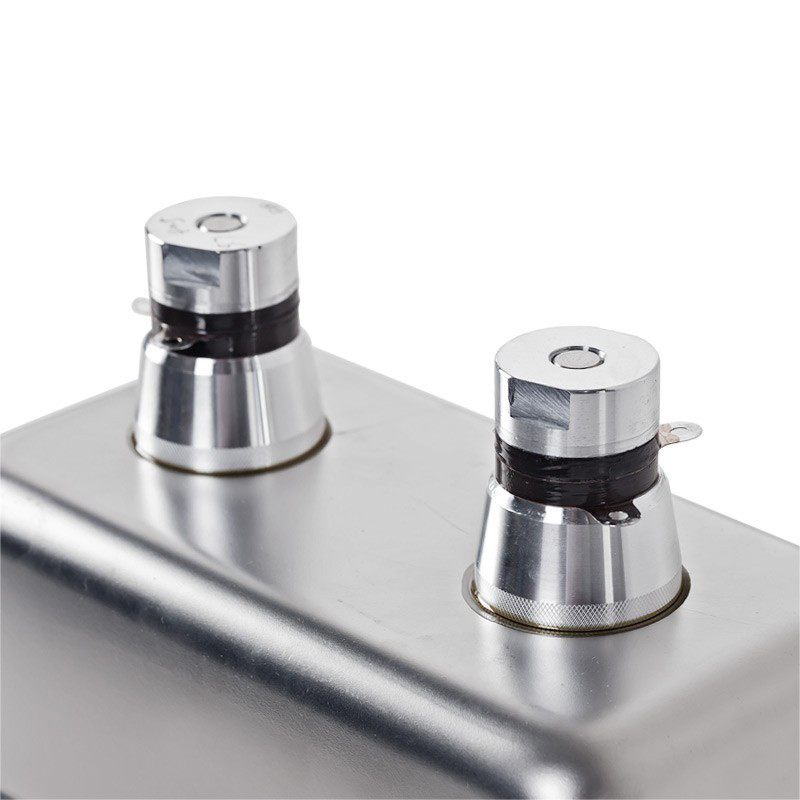
In recent years, ultrasonic cleaning technology has seen significant advancements, driven by the need for more effective, eco-friendly, and versatile cleaning methods. A breakthrough development gaining industry attention is the integration of specialized plastics into ultrasonic cleaners, enhancing durability, efficiency, and environmental safety. This innovation arrives at a critical time when industries demand robust cleaning solutions for increasingly complex and delicate components.
**Understanding Ultrasonic Cleaning and Its Industrial Importance**
Ultrasonic cleaning uses high-frequency sound waves, usually above 20 kHz, to create microscopic cavitation bubbles in a cleaning solution. These bubbles implode near surfaces, removing contaminants such as oils, dirt, and residues without harsh abrasives or chemicals. This method is widely employed in medical, automotive, electronics, aerospace, and manufacturing sectors where precision cleaning is crucial.
Traditional ultrasonic cleaners rely heavily on metal components, particularly stainless steel, due to its corrosion resistance and strength. However, these metals can sometimes fall short in terms of weight, flexibility, resistance to certain chemicals, and cost-effectiveness for some industrial applications. This has led to the exploration of alternative materials such as engineered plastics that can withstand ultrasonic frequencies and harsh cleaning environments.
**The Emergence of Plastic in Ultrasonic Cleaning Equipment**
The incorporation of plastics in ultrasonic cleaning units offers a range of advantages. High-performance plastics exhibit excellent resistance to chemicals and corrosion, lightweight properties that improve energy efficiency, and design flexibility for customized applications. Moreover, plastics can reduce the risk of damaging delicate parts during the cleaning process, an important consideration in fields like electronics and precision instruments.
Recent innovations in durable polymers and composites have allowed manufacturers to produce ultrasonic cleaner tanks, housings, and components that match or exceed the performance of metal parts while being more cost-effective and easier to maintain. These plastics are carefully engineered to endure the mechanical stresses of ultrasonic vibrations and exposure to various cleaning solutions without degrading.
**Jiaheda: Pioneering Advanced Cleaning Solutions with Plastic Integration**
At the forefront of this revolution is Jiaheda, a high-tech enterprise renowned for its comprehensive approach to ultrasonic cleaning technology. The company integrates pre-sales overall program planning with independent research and development, manufacturing, equipment installation, commissioning, and system after-sales service, providing end-to-end solutions tailored to industrial clients.
Jiaheda’s core business includes ultrasonic cleaning equipment, spray cleaning lines, flat cleaning equipment, and a variety of industrial non-standard automated cleaning and drying devices. The firm's pioneering work in incorporating plastics into ultrasonic cleaning systems reflects its commitment to innovation and adaptability in a rapidly evolving market.
By leveraging cutting-edge plastics in their ultrasonic cleaner designs, Jiaheda enhances equipment lifespan, reduces operational costs, and expands the range of applications for their cleaning lines. Their plastic-based ultrasonic tanks, for example, are particularly suited for industries requiring gentle yet thorough cleaning, such as electronics manufacturing and medical device production.
**Benefits and Industrial Impact of Plastic-Based Ultrasonic Cleaners**
The move toward plastic components in ultrasonic cleaners aligns with several key industrial priorities:
1. **Chemical Resistance:** Many plastics can resist aggressive cleaning agents that might corrode metals, allowing the use of stronger solvents and achieving better cleaning results without damaging equipment.
2. **Lightweight Design:** Plastic parts reduce the overall weight of ultrasonic units, facilitating easier installation, transportation, and maintenance, while also lowering energy consumption during operation.
3. **Cost Efficiency:** Production of plastic components often involves lower material and manufacturing costs compared to metals, enabling Jiaheda and other manufacturers to offer competitive pricing and customizable product ranges.
4. **Customization and Flexibility:** Plastic materials can be molded into complex shapes and integrated with other systems more easily than metals, allowing for tailored solutions that meet precise industrial requirements.
5. **Reduced Part Damage:** The softer nature of plastics compared to metals helps prevent scratching or damage to delicate parts during ultrasonic cleaning, a major advantage for high-value components.
**Looking Ahead: The Future of Ultrasonic Cleaning Industry**
As industrial processes become increasingly intricate and environmentally conscious, the role of advanced materials like engineered plastics in ultrasonic cleaning becomes more prominent. Jiaheda's innovation sets a benchmark for the integration of new materials technology with traditional ultrasonic cleaning methods, reflecting a broader trend toward sustainable, efficient, and intelligent manufacturing equipment.
Moreover, Jiaheda's holistic service approach — from R&D to after-sales support — ensures that clients not only receive cutting-edge equipment but also the expertise and maintenance necessary to maximize their investment and operational uptime.
**Conclusion**
The integration of plastic materials into ultrasonic cleaning equipment marks a significant advancement in industrial cleaning technology. With the pioneering efforts of companies like Jiaheda, the ultrasonic cleaning industry is embracing innovation that delivers enhanced performance, sustainability, and customization. This progress not only meets the evolving demands of modern manufacturing but also paves the way for smarter, more resilient cleaning solutions in the years to come.
As industries worldwide continue to prioritize precision, efficiency, and eco-friendly processes, Jiaheda’s leadership in developing plastic-infused ultrasonic cleaning systems establishes the company as a key driver in shaping the future of industrial cleaning technology.